The architecture of a 5G network with an O-RAN approach

The Open RAN architecture enables an open, flexible 5G network architecture that integrates vendor-independent hardware and software. Through open interfaces, networks can be adapted more efficiently, modularly, and quickly to new technologies.

Layer 1: User DevicesLayer 2: SpectrumLayer 3: CoreRaemis Platform

From Edge Device to Core

The architecture of a 5G network is divided into several layers that ensure smooth communication, efficient management, and fast data transmission. These layers work together to create a high-performance and reliable network environment. In our diagram, these layers are structured as follows:
Layer 1

Edge Devices/User Equipment

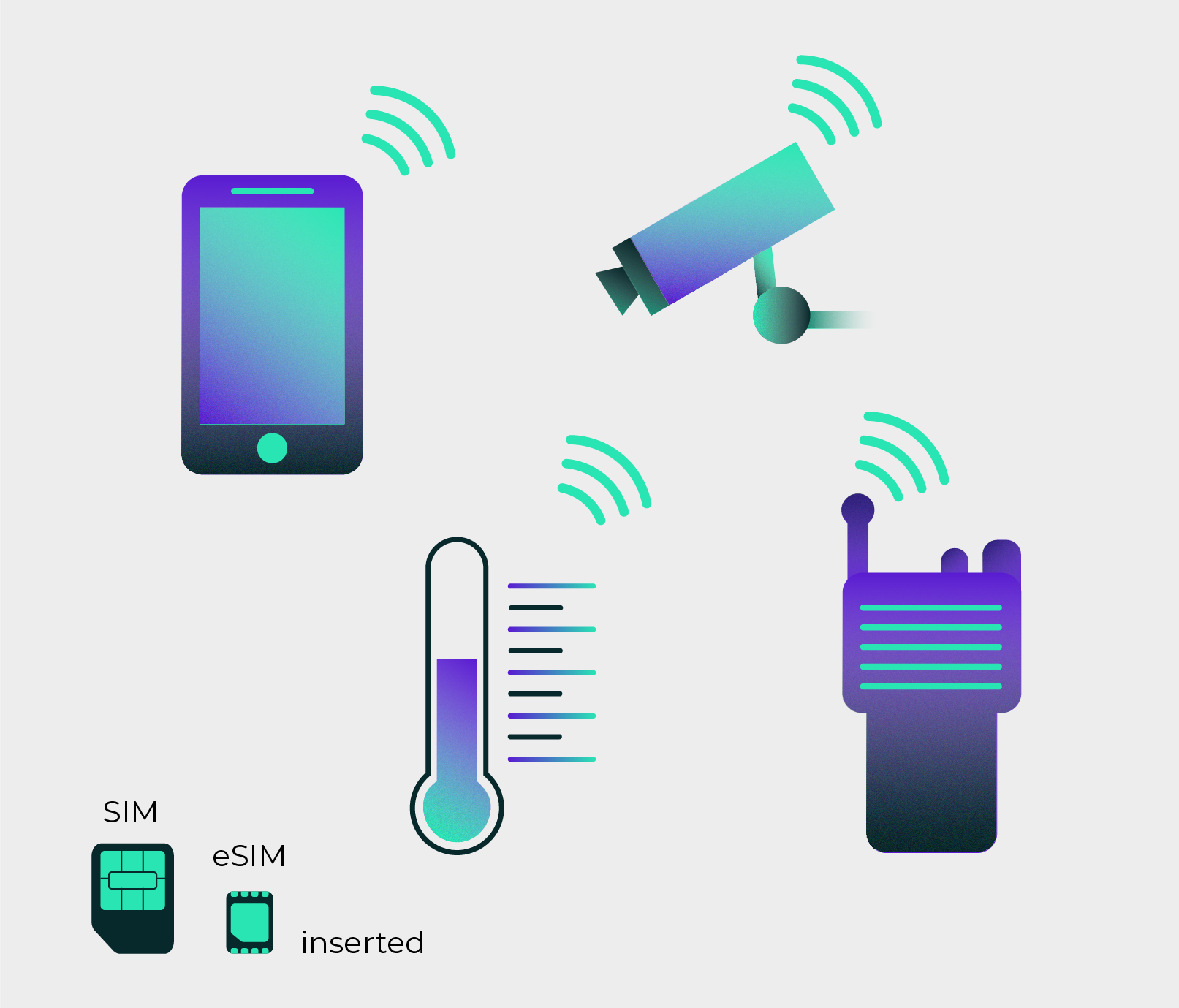
The first layer consists of end devices such as smartphones, tablets, and IoT devices, which are connected securely and quickly to the 5G network via SIM or eSIM cards. Thanks to the low latency of 5G, these devices can transmit data in real time—ideal for applications such as autonomous vehicles and live broadcasts.

Layer 2

Spectrum/Radio Layer

The second layer handles wireless communication between end devices and the network. This involves the use of Remote Radio Units (RRUs) and Distributed Units (DUs). RRUs handle the transmission and reception of radio signals, while DUs process data in real time and establish the connection to the core layer.

Licensed or unlicensed frequency bands are used for communication. In Germany, the Federal Network Agency (BNetzA) manages the licensed frequency spectrum.

The spectrum plays a central role in providing fast and stable connections, as it provides the frequencies over which communication between devices and the network takes place.

Layer 3

Core

The core is the central element of the network and is referred to as the "brain" of the 5G system. It controls all data traffic within the network, manages users, and ensures that every connection is efficient and secure. The core is also responsible for the connection to the Radio Management System and ensures that the 5G network is connected to external networks such as the public internet and other telecommunications networks. This layer handles intelligent control and distribution of data, enabling efficient use of network resources to meet the demands of end users and applications.

Raemis Platform

For the software in the core area, we rely on Raemis by Druid, a flexible and high-performance platform. Raemis enables efficient management and control of the 5G network by optimizing central control, user management, and traffic management, thereby maximizing network performance. This software is specifically tailored to the requirements of private 5G networks and offers maximum flexibility and scalability.

Connectivity without boundaries

Your request is important to us. We would be happy to advise you personally and, if you wish, work with you to develop a tailored solution.

Your inquiry

Thank you!

Thank you for your inquiry.
We will get back to you shortly.
Something went wrong. Please try again or contact us via email.

Subscribe to our newsletter and get the latest IT news delivered straight to your inbox.